
What Happens to Your Kidneys When You Drink Less Water?
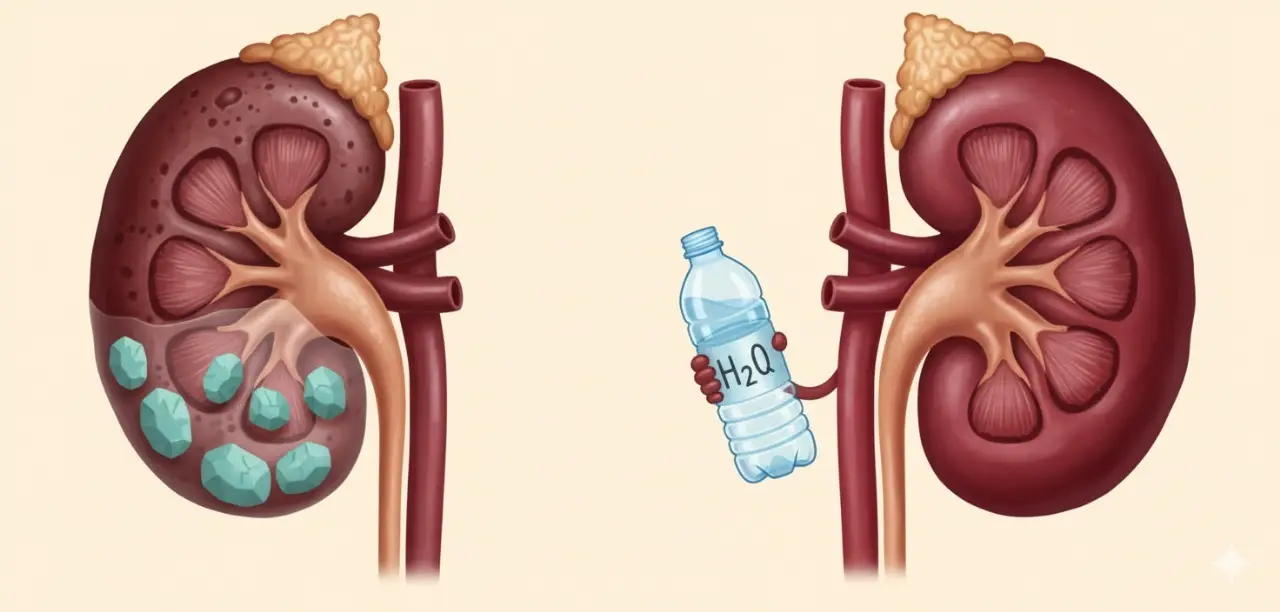
Water is often called the "elixir of life," and for good reason. It makes up about 60% of your body weight and is a critical component for every single function, from regulating temperature to cushioning your joints. But perhaps its most vital role is supporting your body’s master filtration and purification system: the kidneys.
Your kidneys are two bean-shaped organs, each about the size of your fist, that work tirelessly to clean your blood. Yet, in our modern, fast-paced world, low water intake is an increasing trend. Whether you're an office worker glued to your screen, a student rushing between classes, or a homemaker juggling endless chores, the simple act of drinking enough water often falls by the wayside.
This neglect has silent, cumulative effects on your kidney health. This article will provide clarity on exactly what happens inside your body when you drink less water and guide you toward simple, actionable steps to protect these essential organs. Understanding the effects of dehydration on kidneys is the first step toward better health.
Understanding Kidney Function
To truly appreciate the necessity of water, you must first understand the incredible job your kidneys perform. Acting as the body's sophisticated filtration plant, they process a staggering 150–180 liters of blood daily.
The fundamental workhorses of the kidney are the microscopic filtering units called nephrons. Each kidney contains about a million nephrons, and their primary function is to:
- Filter waste products and excess water from the blood.
- Reabsorb essential substances like glucose, amino acids, and the right amount of water back into the bloodstream.
- Remove toxins, including metabolic wastes like urea and creatinine.
- Maintain electrolyte balance (sodium, potassium, calcium) and blood pH.
- Regulate hydration by deciding how much water to excrete as urine.
This process is critical for maintaining smooth urine flow, which carries dissolved waste products out of the body. When this flow is compromised, the entire system—and your overall health—is jeopardized.
Help Is Here—Call Now!
Why Water Is Important for Kidneys
Water is not just a carrier; it is the universal solvent that makes kidney function possible. Think of water as the essential lubricant and transport medium for the kidney's filtration process.
The Key Roles of Water in Kidney Health
- Dissolving Minerals and Waste: Water is crucial for keeping mineral salts, urea, uric acid, sodium, and creatinine dissolved in a liquid state. When these substances remain dissolved, they can be easily flushed out in the urine.
- Flushing Out Toxins: Adequate water intake ensures a sufficient volume of urine to efficiently carry these toxins away, preventing their buildup.
- Regulating Urine Concentration: The amount of water you drink directly dictates the concentration of your urine. When well-hydrated, urine is light-colored and dilute. When dehydrated, the kidneys conserve water, resulting in dark, highly concentrated urine—a sign that toxins are not being diluted sufficiently.
Health Benefits of Staying Hydrated:
- Prevents Infection: Sufficient urine flow helps flush bacteria out of the urinary tract, significantly reducing the risk of a urinary tract infection (UTI).
- Maintains Blood Pressure: Kidneys are key regulators of blood pressure. Proper hydration helps them maintain the necessary blood volume for stable pressure.
- Reduces Inflammation: Hydration supports overall systemic health, which includes managing inflammation, a factor in many chronic diseases.
What Happens When You Drink Less Water?
When you consistently deny your body the necessary fluid intake, your kidneys go into crisis mode, prioritizing water conservation over efficient waste removal. This is the core of the effects of dehydration on kidneys.
Increased Kidney Stress
The moment your body senses low water levels, your blood volume slightly decreases, and its concentration of solutes (salts and waste) increases. This results in thickened blood.
- Harder Filtration Process: The sticky, thicker blood is much harder for the nephrons to filter, forcing the delicate kidney tissues to work significantly harder. This immediately increases the workload on the kidneys.
- Long-Term Strain: Over time, this chronic, elevated strain can lead to damage and long-term scarring of the kidney tissues, paving the way for chronic kidney problems.
Concentrated and Dark Urine
In an attempt to conserve every drop of water, your kidneys dramatically reduce the volume of urine produced.
- Toxins Remain Longer: With a lower urine volume, the waste products and toxins (like urea and uric acid) remain in the bladder and urinary tract for much longer periods.
- Urinary Tract Problems: This prolonged contact time for highly concentrated, toxic urine can irritate the lining of the urinary tract, increasing the risk of inflammation and making it a fertile ground for bacterial growth, which causes UTIs.
Mineral Imbalance in the Body
This is where the risk of kidney stones begins. When there is insufficient water to act as a solvent, the minerals and waste products become supersaturated in the reduced urine volume.
- Crystals Begin Forming: Substances like calcium, oxalate, and uric acid cannot stay dissolved. Instead, they begin to precipitate out of the solution, forming microscopic, sand-like crystal structures in the kidney and urinary tract.
- Chemical Imbalance: This process is exacerbated by an imbalance of electrolytes and an increasingly acidic pH in the urine, which makes it easier for these crystals to form and stick together.
Formation of Kidney Stones
The tiny crystals formed due to continuous low water intake are the initial seeds of kidney stones.
- Growth and Aggregation: If dehydration persists, these microscopic crystals continue to grow and aggregate over weeks and months, eventually forming solid masses—kidney stones.
- Blockage and Severe Pain: When these stones grow large enough (even a few millimeters) and attempt to pass, they can become lodged anywhere in the narrow urinary tract, blocking the flow of urine. This blockage causes severe, often debilitating pain (renal colic), which is one of the most painful conditions known.
- Common Types: The most common types of kidney stones linked to dehydration are calcium oxalate stones (the most frequent type) and uric acid stones. Uric acid stones are particularly common in individuals who consume high amounts of meat or have conditions like gout, coupled with low water intake.
Help Is Here—Call Now!
Who Is Most Affected by Low Water Intake?
While anyone can become dehydrated, certain groups and lifestyles put individuals at a significantly higher risk for the adverse effects of dehydration on kidneys.
| Group | Reason for Low Water Intake | Risk Level |
|---|---|---|
| Office Workers | Busy schedule, long stretches of sitting, and AC environments which mask thirst. | High |
| Students | Forgetting to hydrate during study sessions or social activities; often consuming sugary drinks instead of water. | Moderate |
| Homemakers | Engaged in constant chores, often ignore their own self-care and delay drinking water. | High |
| Athletes | High fluid loss through sweating but insufficient or delayed replenishment, especially during endurance training. | High |
| Elderly | Natural physiological changes reduce thirst sensitivity, meaning they feel less thirsty even when dehydrated. | High |
Signs and Symptoms of Dehydration
Your body has a built-in alarm system to warn you about insufficient water. Ignoring these subtle but crucial signs is a significant mistake.
Common Dehydration Symptoms:
- Dry Mouth and Thirst: The earliest and most obvious indicator.
- Headaches and Fatigue: Dehydration can cause a temporary drop in blood volume, leading to reduced oxygen flow to the brain and resulting in fatigue.
- Dull or Dry Skin: Dehydration is visible on your skin; it loses its plumpness and elasticity.
- Constipation: Water is necessary for moving food through the digestive tract. Low intake results in harder, difficult-to-pass stool.
- Muscle Cramps: Imbalances in electrolytes due to dehydration can often trigger painful muscle spasms.
The Urine Color Chart
The single best, immediate indicator of your hydration level is the color of your urine. This is a must-know tip for anyone concerned about kidney health:
- Pale Straw Yellow to Transparent Yellow: Excellent hydration. Your kidneys are happy and working optimally.
- Yellow/Amber: Mild dehydration. You need to drink water soon.
- Dark Yellow to Honey/Orange: Significant dehydration. Your kidneys are severely conserving water.
- Brownish-Orange: Severe dehydration. Seek medical attention, as this could also indicate a liver problem.
How Much Water Should You Drink Daily?
The old adage of "eight glasses a day" is a simple starting point, but your individual water requirement is highly variable, depending on your body weight, activity level, and environment. A more personalized approach is recommended to optimize water intake benefits and support your kidney function.
Recommended Water Intake Based on Body Weight:
| Body Weight (kg) | Recommended Water Intake (Base) |
|---|---|
| 45–60 kg | 2–2.5 liters |
| 60–80 kg | 2.5–3.5 liters |
| 80+ kg | 3.5–4+ liters |
- Hot Weather: Your need increases significantly (up to 50% more) during hot or humid weather due to sweat loss.
- Exercise/Sweating: For every hour of intense exercise, you may need an additional 0.5 to 1 liter of water. Replenish fluids during and after the activity.
- Hydrate Gradually: Don’t try to drink your entire daily quota in one go. The kidneys can only process water at a certain rate. Hydrate gradually throughout the day for maximum absorption and minimal kidney strain.
- Water from Food: Approximately 20% of your daily fluid intake comes from food, especially water-rich fruits and vegetables (cucumbers, watermelon, berries). However, this should supplement—not replace—direct water consumption.
This chart provides a good starting answer to how much water is needed daily for average living conditions.
How to Increase Daily Water Intake (Practical Tips)
Knowing you need more water is one thing; making it a habit is another. Here are practical, effective tips to ensure your kidneys get the fluid they need:
- Carry a Personal Bottle: Use a large, reusable water bottle (e.g., 1-liter capacity) and keep it on your desk or with you at all times. This serves as a constant, visual reminder.
- Use a Water-Tracking Bottle: Many bottles have time markers (e.g., "7 AM," "10 AM") to prompt you to drink a certain amount by a specific time.
- Set Reminder Alarms/Apps: Use your phone or a dedicated hydration app (like WaterMinder) to send hourly reminders, especially when you are focused on work.
- Create a Morning Hydration Routine: Make it a non-negotiable habit to drink 1–2 glasses of water immediately after waking up, before your morning coffee or tea.
- Pair Water with Activities: Make a rule: Drink 1 full glass of water before every meal and every time you take a coffee or tea break.
- Add Flavor Without Sugar: If plain water feels boring, add slices of lemon, cucumber, mint leaves, or berries for a natural, refreshing taste without sugar or artificial flavors.
- Replace Unhealthy Drinks: Occasionally substitute your habitual soda, energy drink, or second cup of coffee with a glass of water.
When Low Water Intake Becomes Dangerous
While mild dehydration is a nuisance, long-term, chronic low water intake can lead to serious and potentially irreversible health complications, highlighting the severity of the effects of dehydration on kidneys.
Dangerous Risks of Chronic Dehydration:
- Risk of Recurrent Stones: Once you've had one kidney stone, you are significantly more likely to have another—especially if you do not drastically improve your fluid intake. Recurrent stones can cause chronic pain and necessitate multiple surgeries.
- Risk of Urinary Tract Infections (UTI): As mentioned, concentrated urine allows bacteria to thrive. In severe cases, this infection can travel up to the kidneys, causing a highly dangerous condition called pyelonephritis (kidney infection).
- Risk of Chronic Kidney Disease (CKD): Persistent low water intake leads to chronic, elevated stress and inflammation on the delicate nephrons. Over many years, this can cause permanent scarring and damage to the kidney tissue, ultimately leading to a decline in kidney function known as Chronic Kidney Disease (CKD). CKD is a serious condition that can eventually require dialysis or a kidney transplant.
Your kidneys are marvels of biological engineering, tirelessly ensuring your body remains clean, balanced, and functional. They are the ultimate filter, but they cannot do their job efficiently without the right resources.
The effects of dehydration on kidneys—from increased stress and concentrated urine to the painful formation of kidney stones and the long-term risk of CKD—are entirely preventable. According to the Best Nephrologist in Gorakhpur , maintaining proper hydration is one of the simplest yet most powerful ways to protect your kidneys and overall health.
Take small, consistent steps. Don’t wait until you are thirsty to grab a glass of water, and make sure that a water bottle is your constant companion. Your long-term kidney health is a direct reflection of your daily hydration habits.
Your kidneys work every second for you—give them the water they need. Follow the guidance of Dr. Arpit Srivastava to keep them functioning at their best.
Your kidneys work every second for you—give them the water they need.